Energy demand continues to rise, while dependence on coal and oil has begun to create various environmental challenges. As a result, many sectors are now shifting toward alternative energy sources such as solar power, wind, biogas, and liquefied natural gas (LNG).
Coal is widely recognized as one of the highest carbon-emitting energy sources, contributing significantly to global warming. Transitioning to cleaner energy sources can help reduce these emissions while also lowering air pollution.
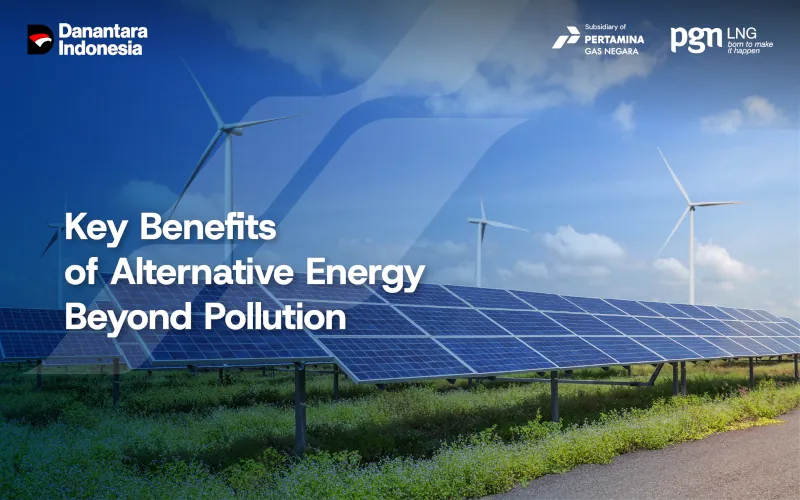
However, the benefits of alternative energy extend beyond pollution issues alone. Other advantages are even more relevant to today’s needs.
Why Alternative Energy is Becoming More Relevant
The growing relevance of alternative energy is strongly influenced by the climate crisis, which has reached a critical point.
According to the IPCC, the energy sector accounts for the majority of global greenhouse gas emissions. This reality is pushing countries worldwide to accelerate the shift toward low-emission energy sources. In this context, alternative energy offers a way to provide reliable electricity without causing environmental damage.
The need for alternative energy is also driven by the rapid pace of the global energy transition. Beyond environmental considerations, economic factors play a major role. In the long term, the production costs of solar and wind power are considered more competitive than building new fossil fuel plants.
This transition is not merely an environmental choice but also an economic defense strategy. It helps protect consumers from unexpected fossil fuel price spikes caused by geopolitical tensions or heavy reliance on import policies.
In short, alternative energy is increasingly relevant because it addresses three major challenges at once: environmental sustainability, energy independence, and long-term cost efficiency.
Read More: Is Carbon Trading Truly an Emissions Solution or Just an Illusion?
What Are the Benefits of Using Alternative Energy?
There are several key benefits of alternative energy use, ranging from environmental improvements to economic advantages.
Reducing Air Pollution
One of the most visible benefits of alternative energy is improved air quality. Coal-fired power plants emit sulfur dioxide (SO₂), nitrogen oxides (NOx), and fine particulate matter, all of which increase the risk of respiratory disorders and cardiovascular disease.
In contrast, renewable energy sources such as solar and wind generate little to no pollutant emissions during operation.
Even LNG-based power plants produce significantly lower sulfur and particulate emissions compared to coal. With reduced air pollution, public health outcomes can improve substantially.
Reducing Greenhouse Gas Emissions
The energy sector is the largest contributor to CO₂ emissions, primarily due to coal combustion. These emissions increase greenhouse gas concentrations that trap heat in the Earth’s atmosphere.
Alternative energy sources such as solar panels and wind turbines generate very low operational emissions and have a much smaller overall carbon footprint.
Read More: The Causes of Expanding Deforestation
Long-Term Cost Stability
Unlike coal and oil, whose prices are heavily influenced by global market dynamics and geopolitical factors, alternative energy offers greater cost predictability.
Once infrastructure such as hydroelectric dams or wind farms is built, operational costs tend to be lower because there is no need to purchase fuel. This condition helps governments strengthen national energy resilience, especially in countries that rely heavily on fossil fuel imports.
Encouraging Innovation and Investment
The clean energy sector has become a magnet for global investment. Its rapid growth has created millions of new jobs, from component manufacturing to advanced battery research.
Innovation in alternative energy also opens new business opportunities in energy infrastructure, supports sustainable economic growth, and accelerates grid modernization.
Energy Source Diversification
Relying on a single type of fuel poses risks to a country’s energy security, particularly when supply depends on imports. Therefore, diversifying the energy mix is a crucial strategy to reduce such risks.
Diversification can be achieved by combining various sources such as natural gas, biomass, and hydropower. This combination helps create a more resilient and flexible energy system.
Read More: The Upstream Oil and Gas Process Is Not Just About Exploration
What Is the Potential of LNG as a Transitional Alternative Energy Source?
Liquefied Natural Gas (LNG) is natural gas that has been cooled into liquid form to facilitate transportation and storage.
Although it is still classified as a fossil fuel, LNG is often positioned as a transition energy source because it produces lower carbon emissions than coal in electricity generation.
In power production, natural gas can generate approximately 50–60% less CO₂ per kWh compared to coal-fired power plants. In addition, pollutant emissions such as sulfur dioxide (SO₂), nitrogen oxides (NOx), and particulate matter are generally lower.
Modern gas-fired power plants can achieve thermal efficiency levels of up to around 60% under optimal conditions. This efficiency level results in lower fuel consumption per kWh of electricity generated compared to many conventional fossil fuel plants.
References:
- EIA. Accessed in 2026. Net Zero by 2050
- DoE. Accessed in 2026. Renewable Energy Pillar
- ScienceDirect. Accessed in 2026. A Comprehensive Study of Renewable Energy Sources: Classifications, Challenges and Suggestions
- IPCC. Accessed in 2026. Energy Systems