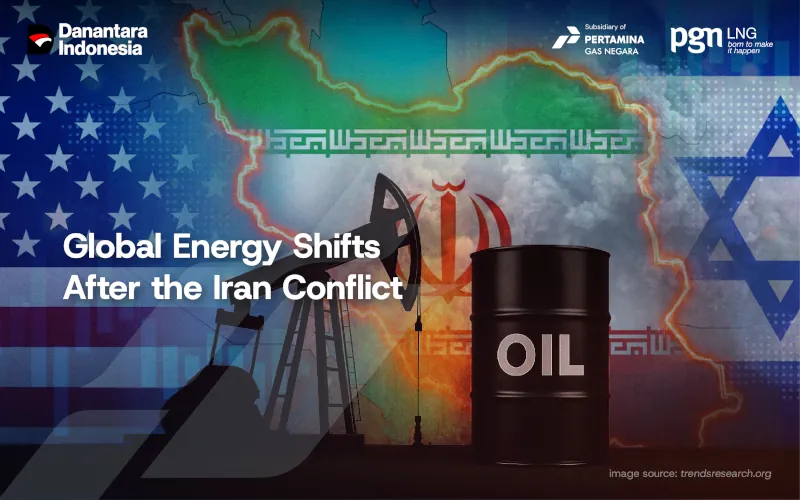
The conflict involving the United States and Israel against Iran, which began on February 28, 2026, has triggered one of the biggest threats to global energy security in modern history. This situation is not merely a geopolitical tension, but a systemic disruption that has paralyzed major global energy routes.
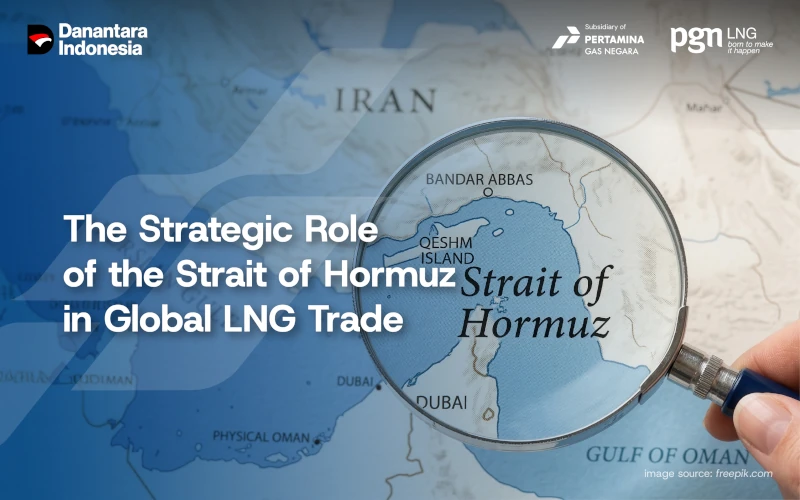
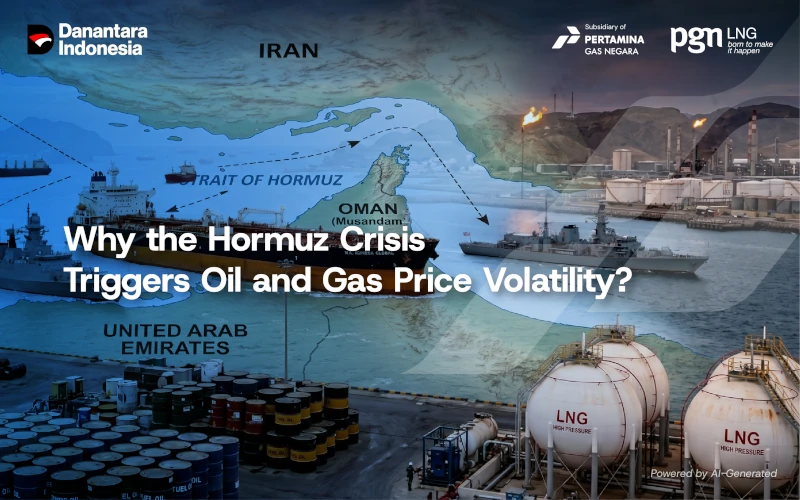
In response to the attacks, Iran closed the Strait of Hormuz. According to EIA data, this strait serves as the route for around 20% of the world’s oil supply and 20% of global LNG trade. The closure immediately shook energy markets worldwide. Brent crude oil prices surged by as much as 65% within a single month, marking the highest monthly increase in history.
This condition has accelerated a shift in the global energy landscape, forcing countries that have long relied on energy imports to seek alternative solutions.
Why Is Iran’s Position Crucial to Global Energy Supply?
Iran possesses enormous oil and natural gas reserves. The country holds the world’s third-largest oil reserves and the second-largest natural gas reserves. Collectively, OPEC countries control 79.1% of global oil reserves, with the majority located in the Middle East region, including the Persian Gulf countries.
In addition to being a major oil and gas producer, Iran also controls the Strait of Hormuz. This strait is a strategic gateway located between the Persian Gulf and the Gulf of Oman, making it a central route for global energy distribution.
In 2024, oil flows through the Strait of Hormuz averaged 20 million barrels per day, equivalent to around 20% of global petroleum consumption.
Asian countries such as China, India, Japan, and South Korea are among the largest importers, collectively receiving 69% of all crude oil transported through the Strait of Hormuz. The closure of this strait threatens the energy supply of these countries and disrupts global energy stability.
Read More: Why Is the Energy Crisis Becoming a Serious Threat to the Global Economy?
How Has the Global Energy Landscape Shifted After the Iran Conflict?
The conflict in Iran has not only created extreme volatility in energy prices, but has also reshaped market competition and strengthened the position of alternative energy producers outside the conflict region.
Surge in Global Energy Prices
During the early weeks of the conflict, global energy markets experienced extreme price volatility. Brent crude oil prices surged by more than 55% since the conflict began, reaching nearly $120 per barrel at its peak.
If the Strait of Hormuz issue remains unresolved, oil prices are projected to reach $150–$200 per barrel. In addition to oil, gas prices also increased sharply. As of early March 2026, LNG prices in Europe rose by 77%, while Asian LNG prices climbed by 51% compared to pre-conflict levels.
Realignment of Global Energy Trade Flows
The IEA noted that Asia received nearly 90% of LNG (Liquefied Natural Gas) and around 84% of crude oil transiting through the Strait of Hormuz during 2024–2025, making the impact of the Iran conflict especially severe in the region.
As a result, Asian countries such as China, Japan, South Korea, and Taiwan have been pushed to seek alternative energy sources. One increasingly significant option is Russia. Russian LNG exports to China reached record highs throughout 2025, making Russia China’s second-largest LNG supplier after Qatar.
Amid the conflict, the United States has also positioned itself as an alternative global oil producer. U.S. oil exports surged to 5.2 million barrels per day in April 2026. Asian countries such as Japan, South Korea, and Singapore became among the first to shift toward U.S. oil supplies to replace disrupted Gulf imports.
Read More: How to Save Electricity with CCPP
What Is the Impact of the Iran Conflict on Indonesia’s Energy Landscape?
The Iran conflict has placed extraordinary fiscal pressure on Indonesia’s state budget. The 2026 budget was prepared based on an Indonesian Crude Price (ICP) assumption of USD 70 per barrel, with a targeted fiscal deficit of 2.68% of GDP. However, the conflict pushed prices far beyond that assumption, placing additional strain on the country’s finances.
This condition prompted Pertamina and other fuel operators to raise non-subsidized fuel prices, triggering inflation across various sectors of the economy.
In the industrial sector, the electricity needs of national smelters operating in industrial zones are threatened by rising Electricity Supply Costs, particularly for power plants in remote areas that still depend on fuel oil and gas.
Most smelter areas in Sulawesi, for example, remain heavily dependent on captive coal-fired power plants owned by industries and not connected to PLN’s grid, meaning rising energy prices directly increase their operational costs.
Read More: Key Benefits of Alternative Energy Beyond Pollution
The Role of Domestic LNG in Maintaining Energy Security
Amid global energy price volatility triggered by the Iran conflict, Indonesia has a strategic advantage that is often overlooked: its substantial domestic natural gas reserves and continuously developing LNG infrastructure.
Indonesia is recognized as one of the countries with the largest natural gas reserves in Southeast Asia. This potential serves as an important foundation for national energy independence, especially as imported LNG prices surged by 51–77% due to disruptions in the Strait of Hormuz.
This is where the role of PGN LNG Indonesia becomes increasingly crucial. As a domestic LNG provider, PGN LNG Indonesia is ready to support strategic industries such as smelters, captive power plants, and remote industrial areas in securing stable energy supplies without fully depending on volatile global markets.
When international spot LNG prices rise dramatically, domestic LNG supply contracts offer price stability that international markets cannot provide.
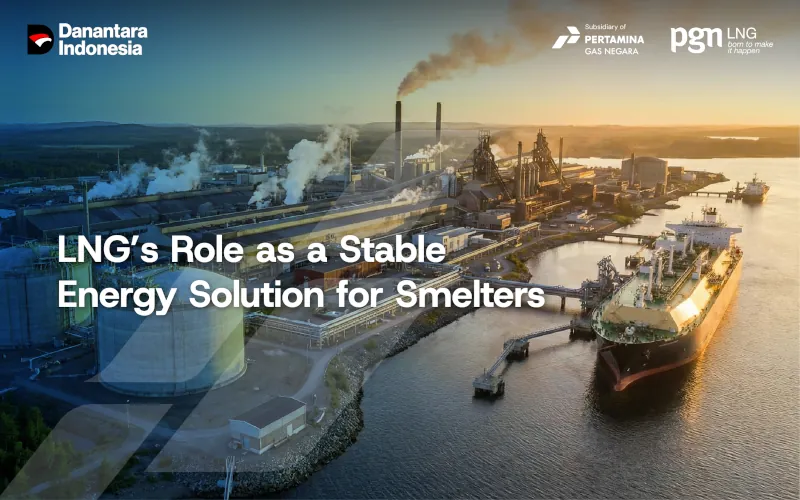
For industries such as nickel smelters in Sulawesi that still rely on captive fuel-based power plants, switching to domestic LNG is not only an efficiency measure, but also a survival strategy during times of crisis.
Want to learn how PGN LNG Indonesia can become an energy supply solution for your industry? Find the answer here: LNG Provider for the Industrial Sector.
References
- IEA. Accessed in 2026. The Middle East and Global Energy Markets
- OPEC. Accessed in 2026. Annual Statistical Bulletin 2026
- EIA. Accessed in 2026. Amid Regional Conflict, the Strait of Hormuz Remains Critical Oil Chokepoint
- NBC. Accessed in 2026. Oil Hits $100 per Barrel for First Time Since July 2022