Industry dependence on a single energy source can increase the risk of operational disruption when a power plant experiences problems and fuel supply is limited. As a result, production processes can stop or be delayed, reducing productivity and potentially causing losses for the company.
To reduce this risk, industries can consider hybrid power plants. This system combines two or more energy sources to generate electricity. By combining energy sources with different characteristics, a hybrid power plant can help maintain electricity supply availability when one source experiences a drop in production.
What Is a Hybrid Power Plant and How Does It Work?
A hybrid power plant is a generation system that integrates two or more energy sources to meet electricity needs.
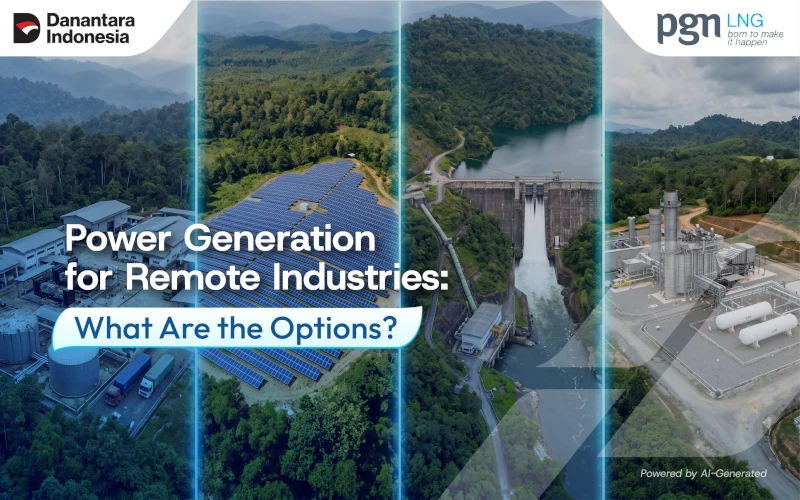
This combination can involve various types of power plants, such as solar power plants, wind power plants, hydropower plants, diesel power plants, and gas engine power plants.
In addition to combining several types of power plants, a hybrid power plant can also be equipped with an energy storage system such as a Battery Energy Storage System (BESS).
In its operation, each power plant generates electricity based on the availability of its energy source. When electricity production is abundant, the surplus energy can be stored in the BESS for use when plant production declines.
In the process, an energy management system regulates the distribution of electricity from various sources to match load needs and operational conditions. If renewable energy production is insufficient, plants such as diesel or gas engine power plants can be operated to cover the supply shortfall.
With this mechanism, the integration of various energy sources aims to maintain a balance between electricity production and demand.
Read More: The Pros and Cons of Using Coal for Energy
What Are Examples of Hybrid Power Plant Configurations in Use?
Hybrid power plant configurations can differ based on energy source potential, electricity needs, and the characteristics of the operational location. Their application has also been found in various electricity systems, from mining facilities to island regions and oil and gas facilities.
Below are some examples of configurations that have been implemented or developed to integrate renewable energy sources, energy storage, and conventional power plants.
Solar Power Plant + BESS
A solar power plant and BESS configuration has been implemented at the mining facility of PT Cipta Kridatama in Jambi through the integration of a 643.8 kWp solar power plant with a 1 MWh battery storage system.
In this system, the solar power plant generates electricity when sunlight is available, while surplus energy can be stored in the BESS for use when solar production declines, such as at night or during cloudy weather.
This storage helps reduce fluctuations in the solar power plant’s power output, so that electricity supply is more stable even as solar energy production changes throughout the day.
Solar Power Plant + Diesel Power Plant + BESS
A combination of a solar power plant, diesel power plant, and BESS has been implemented in isolated electricity systems, one of which is on Selayar Island, South Sulawesi.
In this configuration, the solar power plant serves as the electricity source when sunlight is available, while the BESS stores surplus energy for use when solar production declines or electricity demand increases.
If the production of the solar power plant and the energy stored in the batteries are insufficient, the diesel power plant can be operated to cover the supply shortfall.
This combination is relevant for small islands, remote areas, and industrial facilities not yet connected to the main power grid because it allows the use of solar energy without being entirely dependent on diesel generation.
Solar Power Plant + Gas-Fired Power Plant + BESS
A combination of a solar power plant, a gas-fired power plant, and BESS has also been implemented in the development of electricity systems for oil and gas facilities.
In this configuration, the solar power plant supplies part of the electricity needs when sunlight is available, while the BESS stores surplus energy for later use. When solar energy production declines or battery power is insufficient, the gas-fired power plant can help meet electricity needs.
This configuration is relevant for industries that need a continuous electricity supply and have access to gas fuel infrastructure or supply chains.
Read More: Types of Fuel That Are Most Environmentally Friendly
What Are the Advantages and Challenges of Using Hybrid Power Plants for Industry?
Hybrid power plants offer opportunities to improve the reliability of industrial electricity supply by combining the strengths of several energy sources. When production from one power plant declines, other energy sources can help meet electricity needs.
However, their application also comes with challenges, from investment requirements to the complexity of managing multiple power plants within a single system.
Advantages of Using Hybrid Power Plants
The use of hybrid power plants can reduce industry dependence on a single energy source because electricity needs are met through a combination of several power plants. Each energy source can complement the others when one experiences a drop in production.
For example, when solar power plant production declines due to cloudy weather, other power plants can help meet electricity needs, so that supply does not depend entirely on sunlight availability.
In addition, the BESS can store surplus electricity production from renewable energy for use when electricity needs rise or plant production declines.
The use of renewable energy in this system also has the potential to reduce fuel consumption at conventional power plants, so that operational costs can be more efficient.
Challenges of Using Hybrid Power Plants
Implementing a hybrid power plant requires a relatively large initial investment because industries need to provide several generation units, an energy storage system if required, and supporting infrastructure to integrate them.
In addition, if the system uses diesel or gas power plants, companies also need to ensure fuel supply availability through an adequate distribution chain.
From an operational standpoint, maintaining several types of power plants requires different handling, spare parts, and technical personnel, so management can be more complex and maintenance costs can increase.
Industries also need to ensure that the energy management system is capable of regulating electricity distribution from each power plant according to load needs.
Read More: 5 Crucial Uses of Crude Oil and Its Impacts
How Does LNG Support Energy Supply in a Hybrid Power Plant System?
LNG (Liquefied Natural Gas) can support energy supply stability in a hybrid power plant system through its use as fuel for gas-fired power plants.
When electricity production from renewable energy such as solar power declines or the power stored in the BESS is insufficient, a gas-fired power plant can be operated to help meet electricity needs.
As such, LNG serves as a supporting energy source that can complement renewable energy plants and help maintain electricity supply continuity, especially for industries that need energy on a continuous basis.
To be utilized as a supporting energy source, LNG requires a supply system capable of guaranteeing availability all the way to the power plant location.
This covers LNG procurement, storage, transportation, and regasification before it is used as power plant fuel. For industries developing hybrid power plant systems, the support of an LNG provider partner with integrated services can help meet these needs.
PGN LNG Indonesia is present as an LNG provider partner offering services from supply, storage, and distribution to regasification. Through these services, we make it easier for industries to gain access to energy.
Want to know more about what kind of LNG solution is right for your industry? Find the answer here: LNG Provider in Indonesia.
References
- ESDM. Accessed 2026. Ministerial Regulation of the Ministry of Energy and Mineral Resources on Hybrid Power Plants
- DOE. Accessed 2026. Solar Integration: Solar Energy and Storage Basics
- LBL. Accessed 2026. Hybrid Power Plants Data Update
- ANTARA. Accessed in 2026. Subsidiaries of ABMM and Sun Energy build the first CBESS-integrated solar power plant (PLTS) in Indonesia.