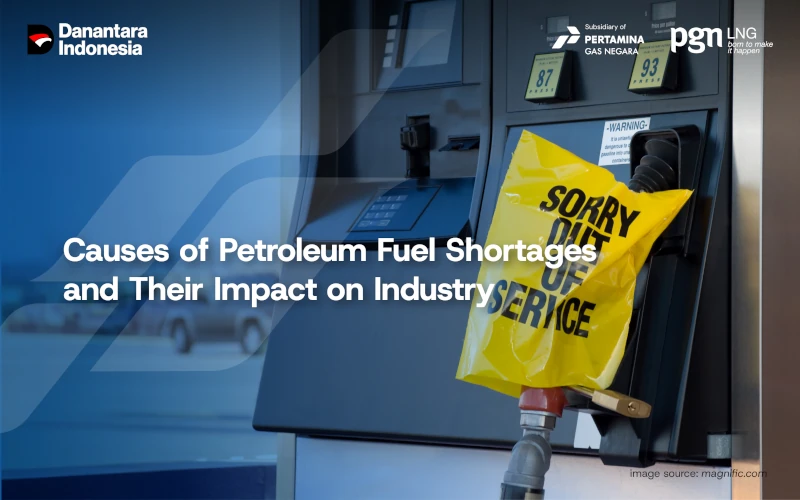
Fuel Oil is one of the primary energy sources that supports the transportation and industrial sectors. Due to its critical role, even minor disruptions in fuel supply can have widespread impacts on goods distribution, production processes, and overall economic activity.
Fuel shortages can be triggered by various factors. Therefore, understanding the causes of fuel scarcity is essential for companies to develop mitigation strategies and maintain operational continuity when supply risks arise.
What Are the Most Common Causes of Fuel Shortages?
Below are several factors that frequently lead to fuel shortages, ranging from technical disruptions and logistical constraints to global geopolitical issues.
Disruptions in Refinery Production and Energy Infrastructure
Fuel production heavily depends on refinery performance. Technical disruptions such as scheduled maintenance, sudden shutdowns, or fire incidents can reduce production capacity and hinder energy supply distribution.
Refinery stability is a key factor in maintaining fuel availability in the market. When refinery capacity is disrupted, production volumes decline, leading to tighter supply conditions. This can affect the balance between fuel demand and availability, ultimately putting pressure on energy prices.
Distribution and Logistics Bottlenecks
Energy distribution relies on supporting infrastructure such as fuel terminals, tanker ships, pipeline networks, storage depots, and fuel trucks that transport supplies from production or storage facilities to end users.
When any part of this distribution chain is disrupted, certain regions may experience shortages even if national fuel reserves remain sufficient.
These disruptions may be caused by extreme weather, operational issues at ports, limited transport fleets, or damaged road access that hinders distribution to destination areas.
Sudden Surge in Demand
Fuel inventory planning is generally based on historical data and demand projections. However, sudden spikes in demand are often difficult to predict. Such situations can occur during long holidays, harvest seasons, simultaneous large-scale infrastructure projects, or accelerated economic activity.
When demand rises faster than production and distribution capacity, fuel availability becomes limited, leading to shortages in certain regions.
Geopolitics and Global Energy Crises
As a globally traded commodity, fuel supply is influenced by geopolitical conditions and international energy market dynamics.
Conflicts in oil-producing regions, trade embargoes, economic sanctions, and disruptions in strategic shipping routes such as the Strait of Hormuz can hinder crude oil supply to global markets.
Pricing Policies and Subsidies
Fuel pricing and subsidy policies play an important role in ensuring energy affordability for the public. However, when there is a significant gap between subsidized domestic fuel prices and international market prices, distribution and consumption issues may arise.
This can lead to higher consumption, misuse, and distribution inefficiencies. As a result, fuel stocks in the field may deplete faster than scheduled replenishment cycles.
Read More: Types of Fuel Oil That Are Gradually Being Replaced by LNG
What Are the Impacts of Fuel Shortages on Industrial Operations?
Fuel shortages can have a direct impact on industrial operations because many production activities still depend on fuel-based machinery.
When fuel supply becomes limited, production processes may slow down or even temporarily stop, reducing productivity and increasing the potential for business losses.
In practice, fuel shortages may force companies to adjust production schedules, secure emergency supply sources, pay higher transportation costs, or deal with delays in the delivery of raw materials and finished products.
In addition, companies often need to seek alternative fuel sources at higher costs when regular supply is unavailable.
Another impact is rising logistics costs due to limited transportation fleets and increased transport tariffs caused by fuel scarcity. This can disrupt supply chains as raw materials arrive late at production facilities and finished goods are not delivered on time.
If prolonged, companies risk losing competitiveness, especially in industries such as smelters and heavy manufacturing that depend heavily on stable energy supply.
Read More: The Negative Impacts of Petroleum, Not Just Pollution!
LNG as an Alternative to Fuel Oil
LNG can serve as an effective alternative energy source when fuel supply is disrupted or scarce. LNG is used in various operational needs such as power generation, boilers, furnaces, and other industrial processes requiring large amounts of energy.
By incorporating LNG into the company’s energy mix, businesses can reduce dependence on fuel oil while improving operational resilience.
In many cases, gas prices are also more competitive and stable compared to oil-based fuels, providing long-term economic benefits for companies.
However, transitioning from fuel oil to LNG requires careful preparation, including energy demand audits, technical feasibility studies, and equipment adjustments. Companies also need to prepare LNG storage and regasification infrastructure.
When properly managed, LNG adoption can provide multiple benefits, such as potential energy cost savings, more stable supply, and reduced dependence on fuel oil.
If your company is considering LNG as an alternative to fuel oil, PGN LNG Indonesia is ready to support your energy assessment and implementation needs. Contact us for further consultation: PGN LNG Indonesia Contact.
References
- IEA. Accessed in 2026. Energy Crisis Threatens World’s Most Vulnerable as Cooking Fuel Shortages Grow
- UN News. Accessed in 2026. Middle East War Shockwaves Ripple Through Asia-Pacific Fuel and Supply Chains
- Montel. Accessed in 2026. How Do Supply Chain Disruptions Affect Energy Prices?
- ESDM. Accessed in 2026. Respons Cepat Atasi Kelangkaan BBM dan LPG, Dirjen Migas Tinjau Integrated Terminal Pontianak