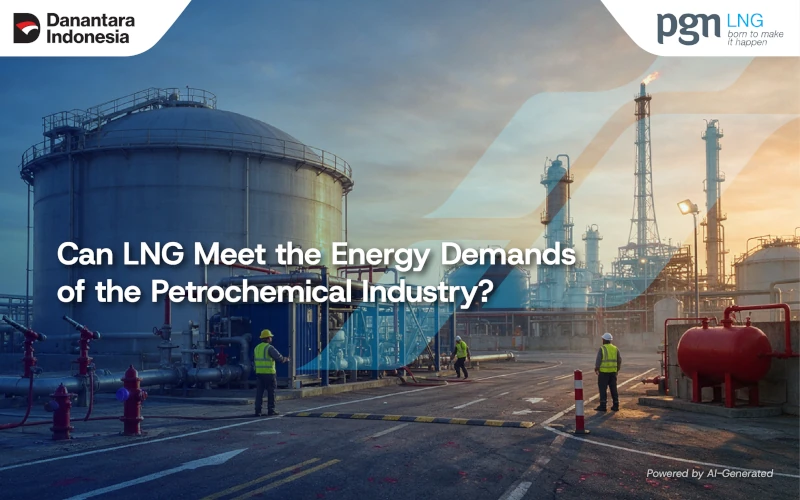
The petrochemical industry processes hydrocarbon feedstocks, such as petroleum and natural gas, into basic chemicals like ethylene, propylene, and benzene. These products then serve as raw materials for a wide range of goods, from plastics, paints, and synthetic fibers to pharmaceutical ingredients.
Petrochemical production processes require large amounts of energy to generate heat, provide steam, and operate equipment. These needs can be met using fuel oil or coal, but their combustion produces CO2 emissions.
For this reason, LNG (Liquefied Natural Gas) is emerging as an energy option for industries that want to maintain operational continuity while reducing emissions.
What Are the Energy Needs of the Petrochemical Industry?
A reliable energy supply is important for the petrochemical industry because the production process involves various stages that require heat, steam, and electricity on a continuous basis.
Energy to Generate Heat and Steam
Heat and steam are needed to support various stages of petrochemical production. Heat is used to warm raw materials, operate furnaces, and maintain temperatures.
One example is steam cracking, which is the process of breaking down hydrocarbon molecules at high temperatures to produce olefins such as ethylene.
Meanwhile, steam is used for heating needs. This steam is generally produced through boilers that heat water using fuel.
Electrical Energy for Equipment and Production Processes
In addition to heat and steam, the petrochemical industry requires electricity to operate various production equipment, such as machine drive motors, pumps, compressors, and cooling systems.
In certain processes, electricity is also used to support production stages that require an intensive power supply. These needs make electricity an important part of maintaining smooth plant operations.
LNG can be utilized to meet these needs through gas-fired power plants. However, its utilization requires appropriate power generation facilities.
Read More: The Potential of Geothermal Power Plants in Indonesia
How Can LNG Meet the Energy Needs of the Petrochemical Industry?
LNG can meet the thermal energy needs of the petrochemical industry through the use of natural gas as a fuel. This gas can be used to operate boilers that produce steam for heating and production process needs.
In addition, natural gas can also be used as fuel for furnaces and burners to generate the heat needed in heating raw materials or running certain processes.
As such, LNG has the potential to support various heat and steam needs at petrochemical facilities that have suitable combustion equipment.
Beyond thermal needs, LNG also has the potential to meet electricity needs through gas-fired power plants. In this system, regasified natural gas is used to operate the power plant, and the electricity generated is then distributed to run pumps, compressors, motors, and other production equipment.
What Are the Benefits of Using LNG for the Petrochemical Industry?
LNG has a number of characteristics that make it a potential energy choice for the petrochemical industry. In liquid form, LNG is easier to store and transport, so it can reach industrial facilities not yet connected to the gas pipeline network.
Once regasified, natural gas can be used to generate heat, steam, and electricity. This flexibility of use opens opportunities for industries to evaluate LNG in terms of supply reliability, operational costs, and the emissions produced.
Supporting Energy Supply Reliability
The petrochemical industry requires a stable energy supply so that various production stages can run sustainably. LNG can support these needs through storage and distribution systems that allow natural gas supply to be adjusted to the plant’s operational needs.
LNG storage facilities also allow industries to hold energy inventory before use, while the regasification process converts LNG back into natural gas that is ready to be channeled to production equipment.
With the support of receiving facilities, storage, and planned delivery scheduling, LNG can be one of the alternative energy supplies to support operational continuity.
Potentially Optimizing Operational Costs
The use of LNG has the potential to optimize operational costs when its total energy cost is more competitive compared to the energy sources currently used by the facility.
This potential can be assessed by comparing fuel prices as well as transportation, storage, regasification, infrastructure investment, boiler or burner adjustment, and equipment maintenance costs.
The comparison also needs to consider equipment efficiency and energy consumption volume so that industries can determine the cost required to produce the same amount of energy.
Potentially Reducing Combustion Emissions
The use of LNG as a replacement for coal or fuel oil has the potential to reduce carbon dioxide (CO2) emissions from the combustion process.
This can occur because natural gas has a lower carbon content per unit of energy compared to coal, resulting in lower combustion CO2 emissions for an equivalent amount of energy.
This potential is relevant for the petrochemical industry, which requires large amounts of thermal and electrical energy and wants to reduce the emission intensity of its operational activities.
Read More: Pros and Cons of Geothermal Energy
What Does the Petrochemical Industry Need to Prepare to Switch to LNG?
Before switching to LNG, the petrochemical industry needs to evaluate its energy needs and consumption patterns to determine the supply volume that matches production activities, including daily needs and energy use during peak periods.
Next, companies need to check the compatibility of boilers, burners, furnaces, and other equipment to ensure the systems can use natural gas, including identifying modification needs and safety device adjustments.
Once technical readiness and consumption needs have been mapped, companies also need to ensure the availability of LNG supply and a distribution system capable of supporting production continuity. This includes selecting a procurement scheme, storage capacity, and delivery method suited to the facility’s location.
PGN LNG Indonesia is present as an industrial energy partner that provides integrated LNG services, from supply, storage, and distribution to regasification. We can also help analyze energy supply needs so that the solutions provided match the company’s operational characteristics and business needs.
What solutions do we provide to maintain energy supply reliability for your industry? Find the complete information here: LNG Provider in Indonesia.
References
- IEA. Accessed 2026. Petrochemicals set to be the largest driver of world oil demand, latest IEA analysis finds
- AFPM. Accessed 2026. Petrochemicals
- RSC. Accessed 2026. Towards circular carbo-chemicals – the metamorphosis of petrochemicals