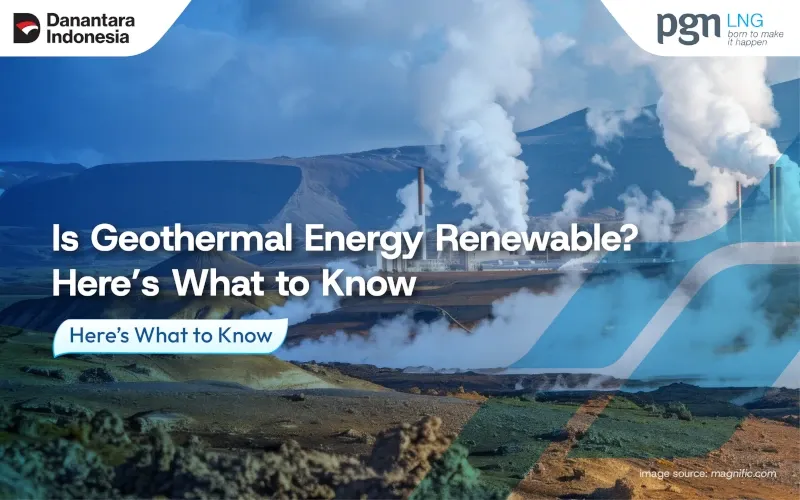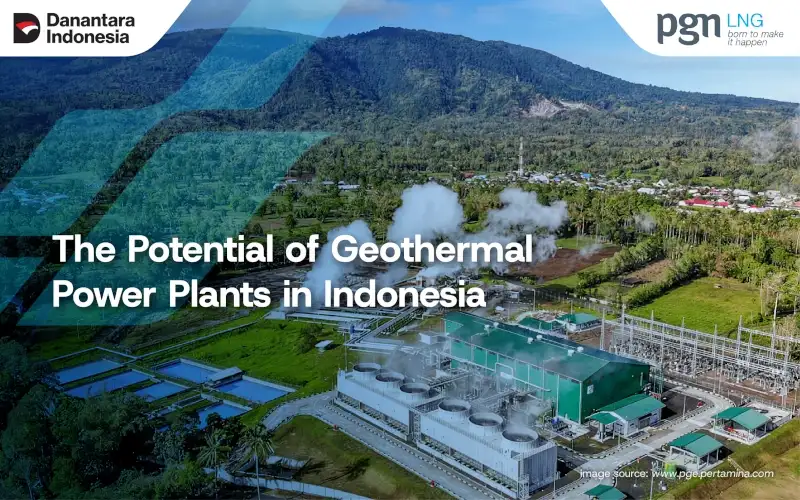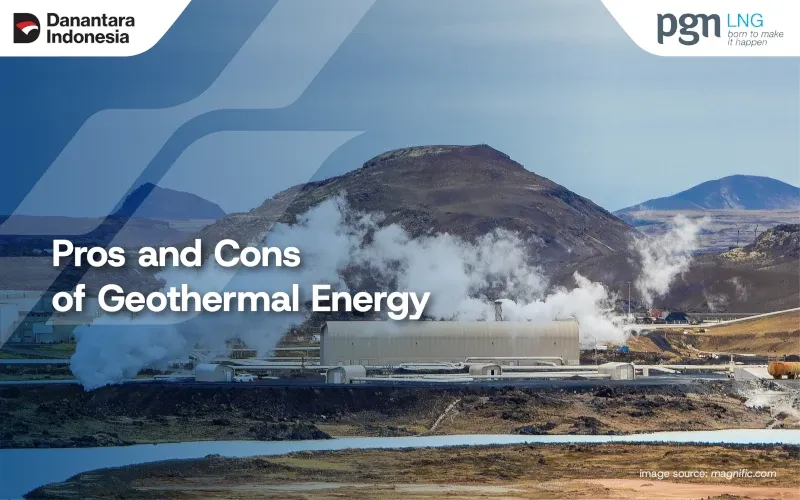
Geothermal energy is a renewable energy source that can help reduce dependence on fossil fuels. In Indonesia, geothermal is already used for power generation and is the third-largest contributor to new and renewable energy (NRE) after hydropower and bioenergy.
One advantage of geothermal energy is its ability to generate electricity at a relatively steady rate, which makes it suitable for meeting baseload demand. However, its use is still limited so far.
Data from Indonesia’s Ministry of Energy and Mineral Resources in August 2026 puts Indonesia’s geothermal potential at 23,202.77 MW, while installed capacity stands at 2,776.39 MW, or about 11.6% of total potential. This gap shows that, behind its strengths, developing geothermal energy comes with complex challenges.
What Are the Advantages of Geothermal Energy?
Geothermal energy has several strengths that give it the potential to displace fossil fuels. Here are some of them:
Provides a Steady Energy Supply
When generating electricity, geothermal energy does not depend on weather conditions the way solar and wind power do. As a result, geothermal power plants can operate continuously and support baseload electricity demand.
This advantage matters for industries that need a steady power supply to keep production running smoothly.
Relatively Low Operational Emissions
Geothermal power plants generate electricity without a fuel supply such as coal, so their operational emissions are generally lower than those of fossil fuel plants.
This makes geothermal an option companies can consider to reduce their reliance on fossil fuels and support their emissions reduction targets.
Supports Energy Source Diversification
Geothermal energy can complement other sources in an energy mix because it can generate electricity steadily. In other words, it can be positioned as a way to diversify energy sources.
Energy diversification is an important step because each energy source differs in availability, location, cost, and production patterns. By combining various sources, industries can avoid relying on a single source of energy.
Read More: Is Transition to Renewable Energy Enough to Address Energy Crisis?
What Are the Disadvantages of Geothermal Energy?
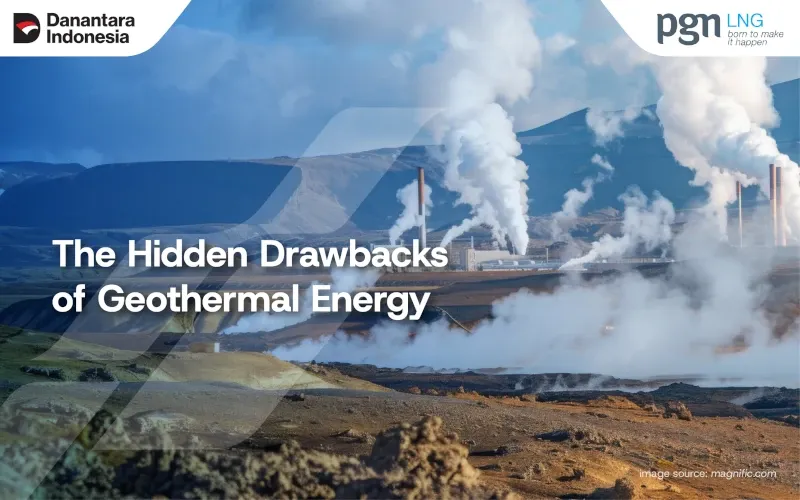
Despite its potential as a source with relatively stable output, geothermal development has several limitations. The challenges include location, upfront investment needs, and potential environmental impacts.
Use Depends on Where the Resource Is Located
Geothermal resources are found only in certain places, so power plants cannot be built just anywhere. Feasibility is shaped by reservoir characteristics such as temperature, depth, rock permeability, and fluid flow rate.
In addition, geothermal sources and energy demand are sometimes in different places, so having geothermal potential in a region does not automatically mean it can be used directly.
Requires Heavy Upfront Investment and Exploration
Developing geothermal energy requires upfront investment in exploration, well drilling, power plant construction, and infrastructure for fluid collection and reinjection. One of the main challenges is exploration risk, because subsurface reservoir conditions cannot be fully known until surveys and drilling are carried out.
If exploration results fall short of expectations, a project may need additional drilling, which raises development costs and affects the investment’s viability.
Takes Time and Infrastructure to Develop
Developing a geothermal power plant takes time because it involves more than building the plant itself. It also includes field development, production and reinjection wells, fluid collection systems, and supporting infrastructure.
Permitting, exploration, construction, and infrastructure readiness all affect development time and cost. For companies that need an energy supply for production in the near term, geothermal may not be a workable solution, since it takes time to bring a plant to the point of operation.
This means that even when geothermal potential exists in a region, companies still need to consider how long it will take before the energy source can actually be used.
Environmental Impacts That Need to Be Managed
Although its operational emissions are relatively low, geothermal development can still have environmental impacts, such as changes in water and air quality, land use, and earthquakes triggered by development activities.
The type and extent of these impacts depend on the technology used and the conditions at the project site. That is why reservoir management and fluid reinjection systems are an important part of geothermal operations, helping sustain the energy source and manage potential environmental impacts.
Read More: How Reliable Is LNG as an Energy Source for Cement Plants?
What Should Be Considered Before Using Geothermal Energy?
The decision to use geothermal energy is not determined only by its status as a renewable source, but also by how well it fits energy needs and conditions at the site where it would be used.
Factors such as proximity to the resource and infrastructure, energy demand profile, and supply availability and reliability need to be considered to judge whether geothermal can support operational needs well.
In addition, infrastructure readiness, investment requirements, the time needed, and the supply actually available also affect feasibility, because not every energy source can meet all of every user’s needs.
Energy choices still need to take into account operational characteristics and the availability of energy sources at each location, including the possibility of combining several sources to support supply reliability.
Why Should Industries Consider Diversifying Their Energy Sources?
Every energy source has different characteristics, availability, and limitations. For this reason, meeting energy needs cannot always depend on a single source.
Diversification allows a combination of complementary energy sources to be used according to operational needs, supply reliability, and the infrastructure available. This approach matters for industries with large energy demand and production processes that require a continuous supply.
When it comes to geothermal, limits on resource location, development time, and infrastructure readiness can mean it cannot yet meet all needs at every site.
Other energy sources with different supply characteristics can therefore be considered as a complement. One is liquefied natural gas (LNG), which can be distributed in liquid form to areas not yet reached by gas pipelines and then converted back into gas for use.
In the context of the energy transition, LNG can be one energy option to support operational needs when the use of other energy sources is limited.
Read More: The Negative Impacts of Petroleum
How Can LNG Support Industrial Energy Needs?
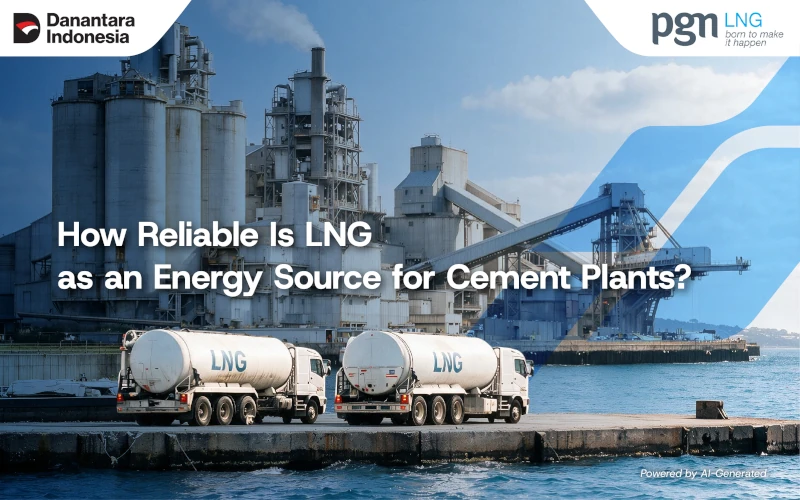
LNG can support industrial energy needs by making natural gas available as a fuel for a range of operational processes. Natural gas can be used to generate heat and steam in boilers, support raw material heating, and fuel power plants.
This is relevant for industries such as textiles, cement, and mineral processing, which need thermal energy in their production activities.
However, using natural gas across production processes requires a supply system that fits the energy needs and operating location of the industry. For companies not yet reached by natural gas pipelines, LNG can be an alternative way to deliver gas, which is then stored and converted back into gas through regasification before use.
To support these needs, PGN LNG Indonesia provides LNG solutions covering supply, storage, distribution, and regasification. These services can help industries explore natural gas supply options that match their operational needs and infrastructure conditions.
Want to learn more about LNG solutions for your industrial needs? Read more here: LNG Supplier in Indonesia.
References
- ESDM. Accessed 2026. Kejar Potensi Panas Bumi Nomor Satu Dunia, Bahlil Minta Pengembang Tak Tahan Konsesi
- EIA. Accessed 2026. Geothermal explained – Geothermal energy and the environment
- IEA. Accessed 2026. The Future of Geothermal Energy
- IRENA. Accessed 2026. Global geothermal market and technology assessment