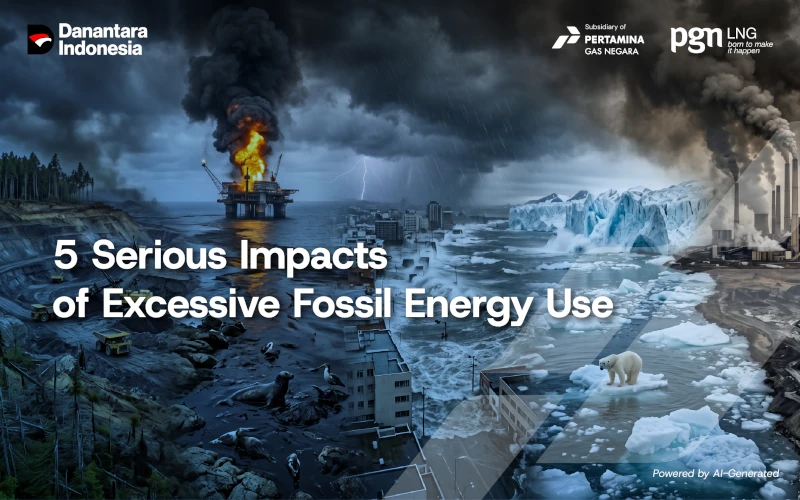
Fossil energy is still the primary source of energy supply across various sectors, ranging from industry, manufacturing, transportation, to power generation. This high level of dependence brings its own consequences, considering that fossil energy is a non-renewable energy source with limited availability, while global energy demand continues to increase.
This condition highlights the importance of managing fossil energy consumption so it is not used excessively. If not managed efficiently, it can create challenges for future energy sustainability.
What Are the Impacts of Excessive Fossil Energy Use?
The dominant use of fossil energy across industrial sectors brings many consequences, both from environmental and operational perspectives.
These impacts not only affect sustainability aspects but also directly influence cost efficiency, operational stability, and business adaptability amid global energy market changes.
1. Increasing Greenhouse Gas Emissions
The combustion of fossil fuels such as coal, oil, and natural gas significantly contributes to the increase of carbon dioxide (CO₂) and methane (CH₄) emissions in the atmosphere.
These emissions are one of the key indicators in modern industrial operations because they are directly linked to climate change impacts and long-term environmental risks.
As global pressure on sustainability continues to rise, companies are now required to conduct more transparent emissions reporting through sustainability reporting and set emission reduction targets such as net-zero, which have also become important factors in investor assessments and regulations.
2. Increasing Exposure to Energy Cost Volatility
High dependence on fossil energy makes companies’ operational costs highly vulnerable to fluctuations in global energy prices.
Fossil energy prices are influenced by various external factors such as geopolitical dynamics, producing country policies, and supply chain disruptions. These factors can trigger sudden cost spikes.
This condition directly creates uncertainty in long-term budgeting and can significantly reduce corporate profit margins.
3. Reducing Energy Productivity in Operational Processes
Energy productivity is an efficiency measure that compares business output with the amount of energy consumed in operational processes. In practice, increasing fossil energy consumption does not always align with higher production output, indicating inefficiencies in operational systems.
Ultimately, this can increase production costs and reduce the effectiveness of asset utilization within a company.
4. Increasing Operational Vulnerability
High dependence on intensive energy consumption places companies in a vulnerable position when energy supply stability is disrupted.
When disruptions occur, companies without backup or alternative energy sources will immediately feel the impact on production continuity, ranging from reduced operational capacity to full production stoppage.
This situation can disrupt production continuity and create instability in operational chains. In the long term, it weakens a company’s operational resilience in facing potential energy crises.
5. Failure to Adapt to Energy Market Changes
Excessive fossil energy consumption can slow down a company’s adaptation to new energy technologies and energy transition policies. When companies become too comfortable with existing systems or resources, the motivation to adopt more efficient technologies decreases.
As a result, opportunities for operational efficiency improvements and infrastructure modernization are often missed, while more adaptive competitors move faster in integrating such innovations.
In the long run, this delay in adaptation can erode competitiveness, especially amid increasingly strict regulations and shifting market preferences toward cleaner and more sustainable energy solutions.
Read More: Pros and Cons of Fossil Energy in Transition Era
What Are the Strategies to Improve Fossil Energy Efficiency?
Improving fossil energy efficiency is an important step for companies to reduce operational costs while minimizing environmental impact.
This strategy focuses on identifying the largest energy consumption sources in production processes and managing energy use in a more structured and measurable way.
With the right approach, companies can better understand energy consumption patterns and identify areas with the greatest efficiency potential for optimization.
These strategic steps include conducting comprehensive energy audits to identify major consumption points within production systems, as well as regularly monitoring energy efficiency indicators.
In addition, optimizing production processes and maximizing the use of energy assets are also key factors in improving operational efficiency. These efforts can be strengthened through technology modernization, such as improving combustion systems and implementing waste heat recovery to enhance energy output.
Energy diversification is also necessary to reduce dependence on a single fuel type while opening opportunities for future integration of alternative energy sources.
Read More: Is Carbon Trading Truly an Emissions Solution or Just an Illusion?
Why Is LNG a More Efficient Energy Solution?
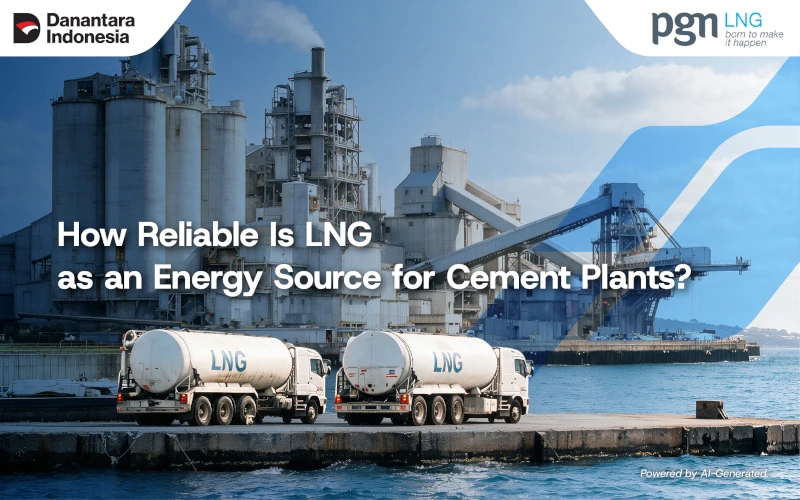
Liquefied Natural Gas (LNG) is natural gas that is cooled to approximately -162°C until it becomes liquid, significantly reducing its volume. This process makes LNG easier to store and transport to areas not connected to gas pipeline networks.
In various industrial applications such as power plants and boiler systems, LNG has cleaner and more efficient combustion characteristics compared to coal and oil because it produces lower emissions and residue.
From an emissions perspective, LNG generates lower carbon intensity than coal. In addition, LNG offers advantages in distribution flexibility and easier integration with existing energy infrastructure, making it a viable transition solution without requiring major system changes.
Beyond technical and environmental factors, the success of LNG utilization also depends on supply chain reliability and the selection of the right provider partner.
PGN LNG Indonesia is here to help your industry utilize LNG efficiently and responsibly according to operational needs.
Want to learn how our services provide concrete solutions for your industrial energy needs? Read the full explanation here: LNG Provider in Indonesia.
References:
- IEA. Accessed in 2026. Unlocking the potential of energy efficiency
- EPA. Accessed in 2026. Sources of Greenhouse Gas Emissions
- Global Witness. Accessed in 2026. What is energy security, and how does fossil fuel dependence leave us all vulnerable?
- Science Direct. Accessed in 2026. Natural resource scarcity, fossil fuel energy consumption, and total greenhouse gas emissions in top emitting countries