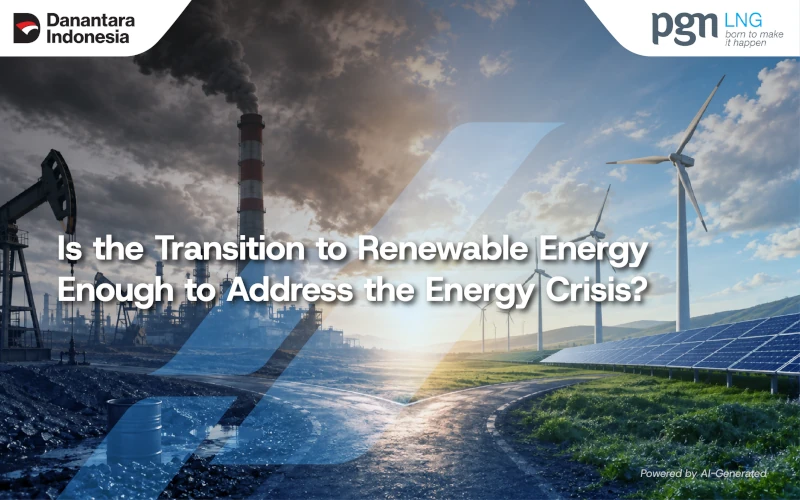
Renewable energy is one of the options for industries to reduce emissions and dependence on fossil energy. However, its use needs to take into account the characteristics of each energy source. Solar and wind energy, for example, depend on natural conditions, so their electricity production can fluctuate.
For this reason, before using renewable energy as a primary energy source, it is important to understand its advantages and disadvantages so that its use can effectively address industrial needs.
What Are the Advantages of Renewable Energy for Industry?
The use of renewable energy can provide a number of benefits for industry, ranging from reducing carbon emissions to improving operational efficiency.
Helping to Reduce Emissions and Supporting Decarbonization
The use of renewable energy can help industries reduce their need for fossil fuel-based power plants or energy sources, thereby potentially lowering CO2 emissions. The growth of renewable electricity generation is also one of the drivers of decarbonization of the energy system globally.
This is increasingly relevant for companies that have emission reduction targets or need to align their energy strategy with decarbonization demands in the industrial sector.
Reducing Dependence on Fossil Fuels
Renewable energy can be part of an energy source diversification strategy to reduce dependence on fossil fuels. By utilizing energy sources such as solar, wind, or water, industries can potentially reduce the risk of price volatility and fuel supply disruptions.
This diversification can also help industries build a more varied set of energy options, so that energy needs are not entirely dependent on a single type of source.
Opening Up the Potential for Long-Term Cost Efficiency
Renewable energy can provide the potential for long-term cost efficiency, especially as power generation costs become increasingly competitive and companies can reduce their need to purchase fuel-based energy.
This potential is increasingly relevant for industries with fairly large and continuous energy needs.
Read More: Top Benefits of Natural Gas, More Than Just Low Emissions
What Are the Disadvantages of Renewable Energy for Industry?
Although it can support emission reduction and energy source diversification, the use of renewable energy also has limitations that industries need to consider.
Energy Production Is Not Always Stable (Intermittency)
Some renewable energy sources, especially solar and wind energy, have the characteristic of intermittency or variability because their production depends on natural conditions.
Solar power plants depend on the availability of sunlight, while wind power plants depend on wind conditions and speed, so their electricity output is not always available at the same time as energy needs arise.
Requires Supporting Infrastructure and Systems
The use of renewable energy for industry is not always as simple as just installing a power plant. Supporting systems such as battery energy storage, thermal storage, grid reinforcement, and energy management systems need to be integrated into the generation setup to manage energy availability.
Investment and Location Suitability Need to Be Considered
The feasibility of using renewable energy is influenced by various conditions, such as facility location, energy source availability, power needs, electricity grid conditions, and the availability of land and infrastructure.
For this reason, renewable energy investment is highly dependent on the technology used, site conditions, project scale, and the supporting infrastructure requirements needed.
Read More: Energy Transformation: 5 Industries That Have Moved On to LNG
Is Renewable Energy Alone Sufficient for Industrial Needs?
Renewable energy can meet part of an industry’s energy needs, especially when its energy production pattern matches the level of operational energy demand.
However, making renewable energy the sole energy source may not always be suited to the operational needs of industries that require a stable and continuously available energy supply.
Solar and wind energy, for example, have outputs that depend on weather conditions, so their energy production can change over time.
For this reason, the ability of renewable energy to meet industrial needs needs to be viewed together with the load profile, operational flexibility, and the system’s ability to maintain a balance between energy supply and demand.
By recognizing the limitations of renewable energy, industries can consider an energy mix approach that combines renewable energy with other energy sources capable of providing a reliable supply. This approach allows industries to increase the use of low-emission energy without disregarding the need for supply reliability.
Read More: LNG and Other Energy Alternatives: The Ideal Coal Replacements?
How Can LNG Complement Renewable Energy for Industry?
LNG (Liquefied Natural Gas) can be one of the energy sources in an industrial energy mix to complement renewable energy when its production is insufficient to meet needs.
In a system that uses gas-based power plants, the plant’s output can be adjusted to electricity needs, so it can help maintain supply when solar or wind energy production is low.
As such, LNG does not replace renewable energy, but can be used as one of the supporting sources to maintain supply reliability, especially for industries that need energy on a continuous basis. This kind of flexible role is also one of the approaches used in integrating renewable energy generation into the electricity system.
For this role to be applied across various operational conditions, industries also need to consider how LNG can be made available and distributed to locations that need it. The needs of every industry can differ based on consumption scale, location, and available energy infrastructure.
PGN LNG Indonesia is present as an LNG partner to support industrial energy needs across various locations through services covering supply, storage, distribution, and regasification.
Want to know the LNG solution suited to your industry’s needs? Find out more here: LNG Provider in Indonesia.
References
- Britannica. Accessed 2026. Alternative Energy
- ResearchGate. Accessed 2026. Advantages and disadvantages of renewable energy
- IEA. Accessed 2026. Electricity security matters more than ever
- IEA. Accessed 2026. Renewables for Industry