Pressure to cut emissions is pushing industries to review how they use energy in their operations. For companies that still rely on coal or oil, the challenge is finding alternative energy sources that can help reduce emissions without compromising supply reliability.
That is why energy diversification is one strategy worth considering to support the shift to a low-emission energy system. One suitable option is geothermal energy.
As a renewable source, geothermal can generate electricity steadily with relatively low greenhouse gas emissions. It also offers other benefits that can support energy needs and the long-term sustainability of the energy system.
What Are the Benefits of Geothermal Energy?
Geothermal energy has characteristics that give it the potential to bring a range of benefits to the energy system. These benefits can be seen from several angles, from its effect on the environment to its role in meeting energy demand.
Helps Reduce Emissions from the Energy Sector
Geothermal is a renewable energy source that can be used to produce electricity and heat with relatively low greenhouse gas emissions.
In a geothermal power plant, heat from beneath the earth’s surface drives the generation system without the need for additional external fuel.
This makes geothermal a potential contributor to decarbonizing the energy sector, especially in systems that still depend on coal and oil.
Provides a Relatively Consistent Power Supply
Geothermal heat is available around the clock, so geothermal plants can generate electricity consistently.
Unlike solar and wind power, whose output is affected by weather conditions, geothermal plants are not subject to these factors, which allows them to provide a reliable power supply.
That said, the reliability of their output still depends on reservoir conditions, plant maintenance, and other technical factors.
Supports Energy Diversification and Security
Relying on a single energy source increases risk when supply is disrupted or energy prices change.
Using geothermal as part of the energy mix can help diversify supply sources so that the energy system does not depend on just one type of energy.
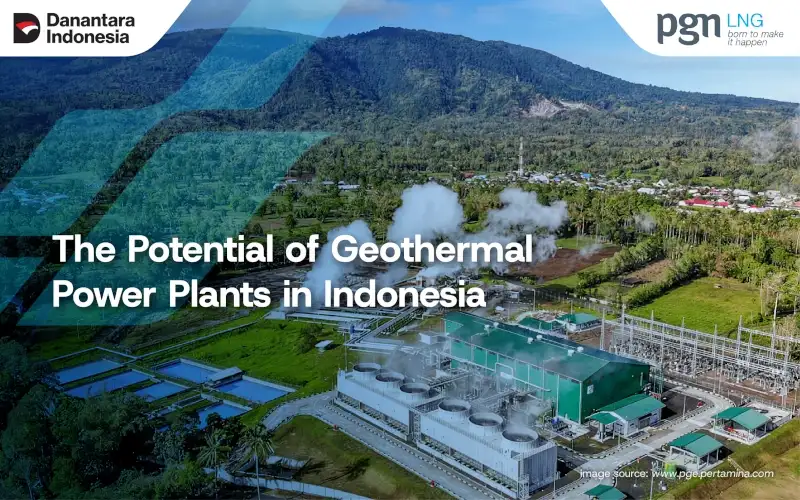
According to 2026 data from Indonesia’s Ministry of Energy and Mineral Resources, Indonesia has geothermal potential of about 23.2 GW, but installed capacity has only reached about 2.78 GW. This shows there is still considerable room to develop geothermal to strengthen national energy diversification and security.
Supports Long-Term Energy Needs
Geothermal has the potential to become part of long-term energy planning because its heat source can be used sustainably with proper reservoir management.
For industry, using geothermal can open the door to reducing reliance on fossil fuels while also helping meet future electricity needs.
In addition, geothermal can complement renewable sources such as solar and wind, whose output depends on natural conditions, helping to build a more diverse and reliable energy system.
Read More: Why the Energy Crisis Poses a Serious Threat to the Global Economy?
What Are the Challenges of Using Geothermal Energy?
Using geothermal energy comes with several challenges that need to be considered from the planning stage. One is limited location options, because geothermal development depends on the presence and characteristics of the resource in a particular area.
Before building a plant, developers also need to carry out surveys and exploratory drilling to confirm that the geothermal source is technically and economically viable.
This stage carries high risk because it requires heavy upfront investment, while drilling results may not match expectations.
Beyond exploration risk, geothermal development takes considerable time and investment to build facilities and supporting infrastructure. Permitting and meeting environmental and social requirements also need attention so that projects can proceed in line with regulations.
Together, these challenges mean geothermal is not always the most practical choice for every energy need, especially when the resource location, energy demand, and investment feasibility do not line up.
Read More: The Pros and Cons of Using Coal for Energy
How Do You Choose an Energy Source to Support the Energy Transition?
For industry, the energy transition does not always mean replacing every energy source with a single type. The choice of energy source should be matched to each company’s needs and operational characteristics, including the amount of energy consumed, usage patterns, operational continuity, and facility location.
Companies can therefore consider a combination of energy sources to meet operational needs while supporting the shift to low-emission energy.
Geothermal can be part of that strategy because it can generate low-emission electricity with a relatively consistent supply.
However, limits on resource location, exploration risk, upfront investment, and infrastructure needs mean it cannot always meet all of an industry’s energy needs.
In such cases, liquefied natural gas (LNG) can be considered as a transitional energy option, especially to support energy needs at locations not yet reached by gas networks or where available energy infrastructure is still inadequate.
LNG and geothermal can therefore play complementary roles, depending on the operational needs and circumstances of each company.
Read More: 5 Unique Advantages of Solar Energy Over Fossil Fuels
What Role Can LNG Play as a Transitional Energy Option for Industry?
LNG can serve as a transitional energy option by diversifying the energy sources of industries that still depend on coal or oil. When used as a fuel, natural gas produces lower carbon dioxide emissions than coal.
LNG can also be distributed to locations not yet reached by gas pipelines, as long as adequate storage, transport, and regasification facilities are available.
In industrial operations, LNG can be used to fuel boilers, generate heat for production processes, and support power generation.
However, using LNG as a transitional option needs to be backed by a supply system that fits each industry’s energy needs and infrastructure conditions. Supply availability, storage facilities, and distribution and regasification are all important to make sure the gas can be put to use in operations.
PGN LNG Indonesia provides LNG solutions covering supply, storage, distribution, and regasification to support the energy needs of various industrial sectors. With these services, companies can consider using LNG as part of an energy diversification strategy that fits their operational needs.
Learn more about the LNG solutions we offer to support your industry’s energy needs. Read the full explanation here: LNG Supplier in Indonesia.
References
- ESDM. Accessed 2026. Kejar Potensi Panas Bumi Nomor Satu Dunia, Bahlil Minta Pengembang Tak Tahan Konsesi
- IEA. Accessed 2026. The Future of Geothermal Energy
- IRENA. Accessed 2026. Global geothermal market and technology assessment