Industries such as mining, smelting, manufacturing, and processing require large and stable amounts of energy supply to maintain smooth operations. To this day, coal still plays an important role in
Growing industrial and economic activity is also driving electricity needs in Indonesia. PT PLN, Indonesia’s state-owned power company, recorded a 3.75% increase in electricity sales in 2025 compared to 2024.
Indonesia has abundant water resources, from rivers to reservoirs, that can be utilized as renewable energy sources. However, abundant water resources do not mean that all of their potential can
It is no longer a secret that coal-fired steam power plants still serve as one of the main pillars of Indonesia’s electricity system. At the same time, the direction of
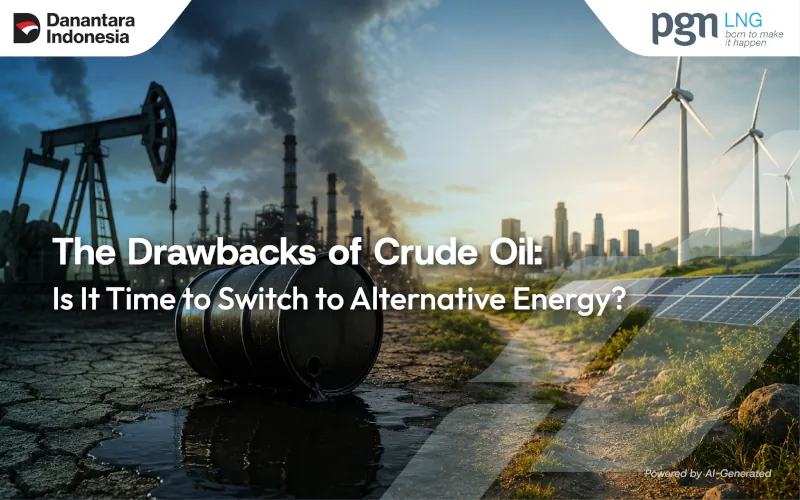
For companies that still rely on petroleum for their operational needs, the condition of Indonesia’s oil reserves is one of the factors that needs to be considered when developing a
The use of petroleum in the industrial sector today faces several challenges, ranging from high carbon emissions and environmental regulatory pressure to fuel price volatility. At the same time, companies
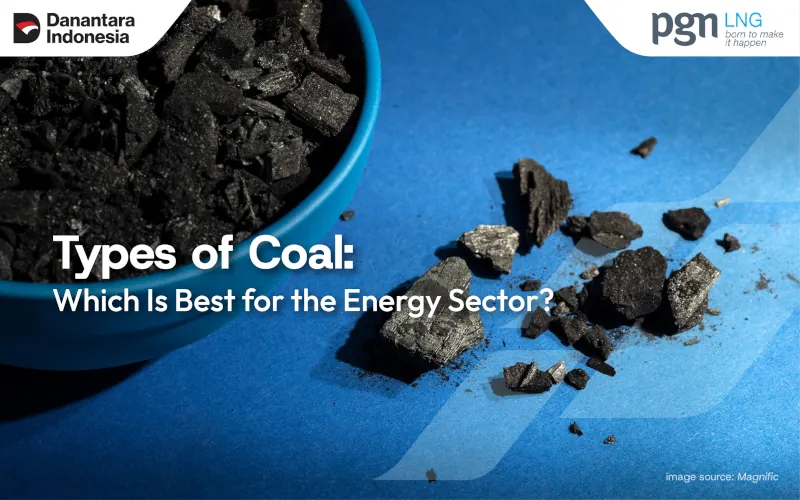
Every energy sector has different needs and operational characteristics, so selecting coal based on price alone is not sufficient. The type and quality of coal used need to be adjusted
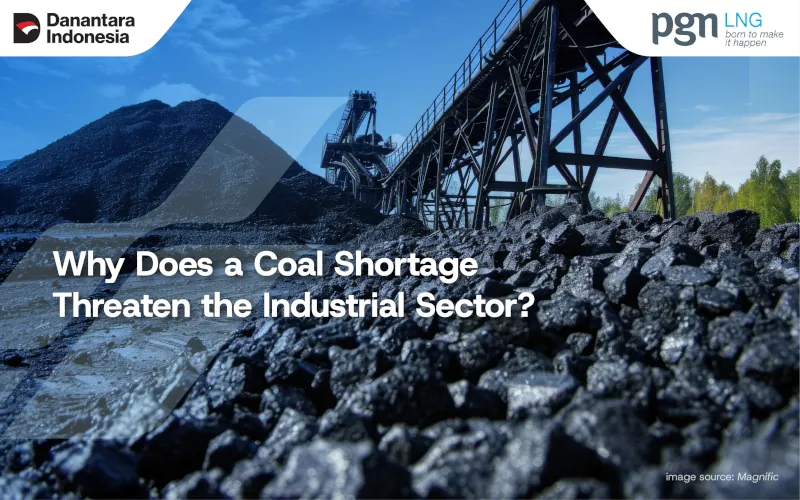
Coal remains an important energy source for the industrial sector in Indonesia, spanning power generation, smelting, manufacturing, cement, and steel. This dependence makes coal availability a critical factor for smooth
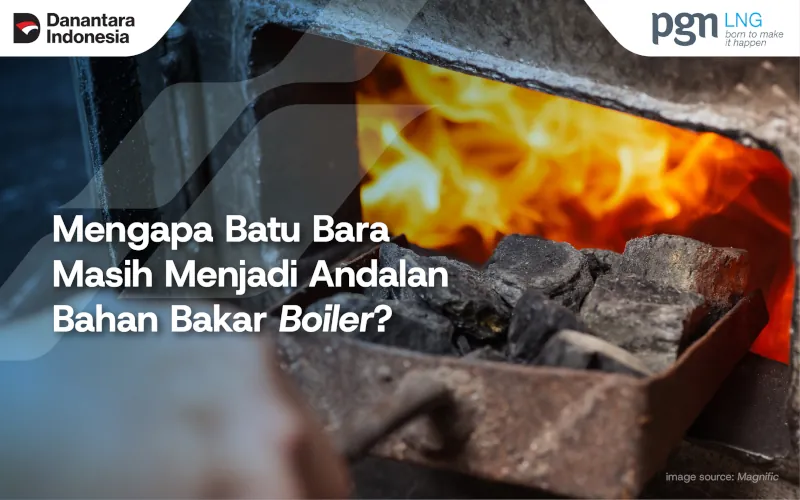
Coal has long been one of the primary boiler fuels across various industrial sectors because it is capable of generating large amounts of thermal energy. Its ability to meet thermal